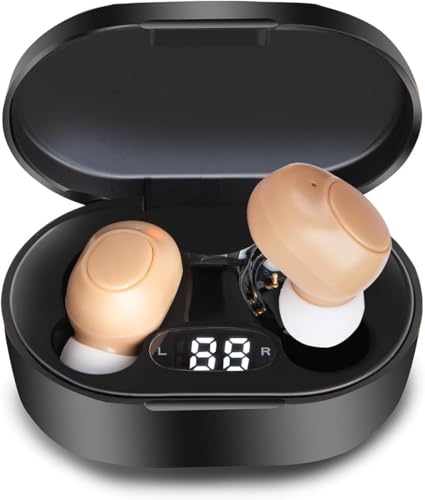
It starts gradually.
A TV volume that seems low to everyone else.
A conversation in a busy restaurant that feels impossible to follow.
A question repeated twice or three times before you catch it.
And then the realization hits: I’m losing my hearing.
For many seniors, this is more than an inconvenience; it’s a quiet shift in the way they experience the world.
The Subtle Changes
Hearing loss rarely arrives suddenly. It creeps in:
- High-pitched sounds fade first
- Conversations in noisy environments become exhausting
- People mumble or seem to mumble, and frustration grows
- You nod along, pretending to understand, hoping no one notices
These subtle changes can make you feel isolated, even when you’re surrounded by loved ones.
The Emotional Impact
Hearing loss isn’t just about sound. It affects:
- Connection: Misunderstandings strain relationships.
- Confidence: You hesitate to speak up, afraid you’ll respond incorrectly.
- Independence: Phone calls, public announcements, or even alarms feel challenging.
- Identity: Suddenly, the world feels louder, confusing, and inaccessible.
Many seniors experience frustration, embarrassment, or even shame, but rarely talk about it.
Why It Feels So Lonely
Even in a crowded room, hearing loss can create distance:
- You may withdraw from conversations to avoid misunderstanding.
- People may speak louder or slower, making you feel singled out.
- Friends or family might take over interactions, unintentionally sidelining you.
The silence created by hearing loss isn’t empty; it’s isolating.
Ways to Navigate Hearing Loss
- Acknowledge It Early
Ignoring it only increases frustration. Early detection opens options for treatment or assistance. - Consider Hearing Aids or Devices
Modern technology is subtle, effective, and customizable. Even mild amplification can make a huge difference. - Communicate Openly
Let people know you may need them to repeat or slow down. Asking for help is a strength, not a weakness. - Optimize Your Environment
Reduce background noise, choose quieter spaces, and face people while speaking. - Stay Social
Don’t isolate yourself. Conversations may take more effort, but they’re worth it. - Protect Your Remaining Hearing
Avoid loud environments when possible and use protective gear.
Coping With the Emotional Side
Hearing loss can feel like a loss of control. To cope:
- Allow yourself to grieve the changes.
- Focus on what you can do rather than what you’ve lost.
- Celebrate moments when communication is clear.
- Explore hobbies or communities where hearing challenges are understood and accepted.
A Seniorlicious Reminder
Losing some hearing doesn’t make you less capable, less intelligent, or less worthy of connection.
It simply changes the way you engage with the world, and that’s okay.
Your value, your stories, your laughter, they remain just as important. You might just need to find new ways to hear and be heard.
Hearing loss is not a full stop; it’s a gentle pause that invites adaptation, patience, and awareness.
Amazon bedroom Bible cooking dating dementia diet dog faith finances & retirement food God hair wash how to Hygiene for Seniors linen loneliness love Marketplace mattress meal prep minimalism mobility aids money online grocery pets religion senior diet senior EROTICA senior exercise senior health senior lifestyle senior living senior sex senior sleep senior spirituality senior traveling short stories shower shower chair shower stool travel walker weight loss zen