

It starts gradually.
A new prescription for blood pressure.
Another one for cholesterol.
Maybe something for sleep, or arthritis, or anxiety.
Soon, your kitchen counter or medicine cabinet looks like a small pharmacy. And you realize: these pills are part of my life now.
For many seniors, taking medication is both a blessing and a quiet reminder of aging.
The Emotional Side of Taking More Medications
Pills solve problems, but they also carry emotional weight:
- Acceptance of Change: Each new medication is a subtle acknowledgment that the body is no longer as resilient as it used to be.
- Loss of Independence: Relying on pills feels like handing over control to something external.
- Confusion and Anxiety: Multiple medications, different schedules, and side effects can feel overwhelming.
- Embarrassment or Shame: Some seniors worry about being seen as “old” or “frail” because of their prescriptions.
Medication is practical, but it’s also deeply personal.
Why Aging Makes Medication More Complicated
As we age, the body changes in ways that affect how medicines work:
- Slower metabolism: Drugs may stay in your system longer, making dosage timing important.
- Kidney and liver function: These organs process medications less efficiently with age.
- Interactions: Multiple medications can affect each other in unexpected ways.
- Sensitivity to side effects: Older adults may experience dizziness, nausea, or confusion more easily.
Even medications you’ve taken for years may need adjustments.
Practical Strategies for Managing Medications
- Keep an Updated List
Write down every prescription, over-the-counter drug, and supplement. Share it with every healthcare provider. - Organize Your Pills
Use pill organizers, reminders, or smartphone alerts to avoid missed or double doses. - Ask Questions
Don’t hesitate to ask your doctor or pharmacist about side effects, timing, or interactions. - Regular Reviews
Schedule periodic medication reviews with your healthcare provider to see if any medications can be reduced or replaced. - Watch for Subtle Changes
Changes in balance, mood, sleep, or digestion may be medication-related and should be discussed.
Coping With the Emotional Impact
Medication can feel like a symbol of aging, but it’s also a tool for living well.
- Practice self-compassion: needing medication doesn’t make you weak.
- Recognize the benefit: many medications help maintain quality of life, independence, and longevity.
- Accept the learning curve: managing multiple prescriptions is a skill that improves over time.
A Seniorlicious Reminder
Aging may bring more pills, but it doesn’t define you.
Your vitality, wisdom, and joy are not in a prescription bottle; they’re in your choices, your relationships, and your daily life.
Pills can support your life, but they don’t limit it. Learning to manage them is part of taking care of yourself, an act of respect, not surrender.
Amazon bedroom Bible cooking dating dementia diet dog faith finances & retirement food God hair wash how to Hygiene for Seniors linen loneliness love Marketplace mattress meal prep minimalism mobility aids money online grocery pets religion senior diet senior EROTICA senior exercise senior health senior lifestyle senior living senior sex senior sleep senior spirituality senior traveling short stories shower shower chair shower stool travel walker weight loss zen
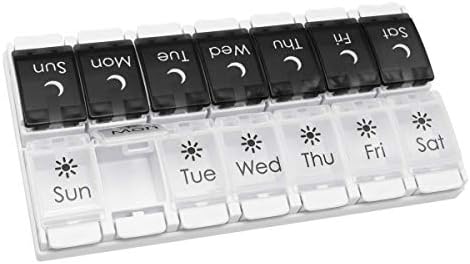
- EFFORTLESS ACCESS: The simple push-button design allows smooth, one-touch opening of each compartment—ideal for those wi…
- REMOVABLE TRAYS: Easily take your daily pills anywhere with fully removable trays. Designed for flexible use during trav…
- EXTRA LARGE STORAGE COMPARTMENTS: Each AM/PM section holds up to 35 Aspirin-sized pills—ideal for organizing a full week…