It’s quiet at first.
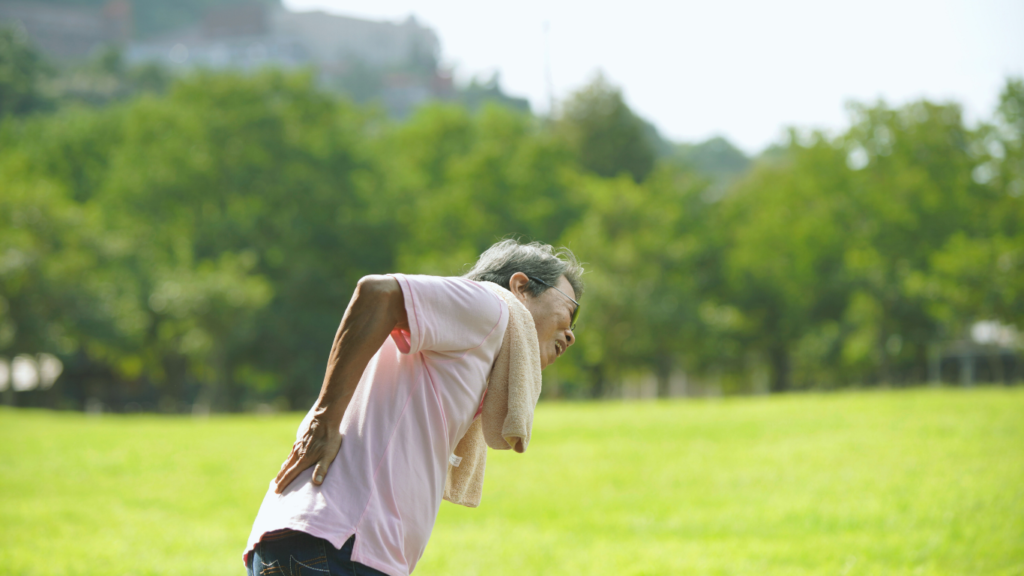
You bend to lift a box, and it feels heavier than it should.
You notice your knees ache when climbing stairs.
You struggle to open a jar that used to be effortless.
And then the thought hits: I’m not as strong as I used to be.
For many seniors, this realization carries more than disappointment; it carries shame.
Why Losing Strength Feels Shameful
Strength isn’t just physical. It’s tied to identity, independence, and confidence.
- The strong version of yourself could carry groceries, move furniture, or chase after a grandchild.
- That version of you didn’t hesitate. Didn’t pause. Didn’t rely on anyone.
When your body can no longer do what it once did, it feels like a betrayal of the person you believed yourself to be.
The Quiet Weight of Comparison
You compare yourself to:
- Younger versions of you
- Friends or family who seem “still capable”
- Societal expectations of aging gracefully
And suddenly, every weakness feels magnified. Shame creeps in.
When Independence Feels Like a Memory
Loss of strength can erode independence in ways no one talks about:
- Reaching for items on a high shelf becomes risky
- Household chores take longer or are skipped
- Social activities feel exhausting
- Asking for help feels humiliating
This loss is physical, but it also cuts deeply into pride.
The Emotional Toll
Shame from losing strength often hides behind silence. Seniors may feel:
- Embarrassed to let others help
- Anxious about being judged as “weak”
- Frustrated or angry at themselves
- Resigned to “just getting older” without fully acknowledging the emotional pain
Redefining Strength
Strength isn’t just muscles. It’s also:
- Resilience
- Wisdom
- Compassion
- The courage to ask for help when needed
Your body may have limitations, but your value and capability extend far beyond what you can lift.
Gentle Ways to Cope
- Celebrate Small Wins
Every step, every stretch, every completed task counts. - Adapt Without Shame
Use tools, mobility aids, or modified techniques without feeling guilty. - Stay Active Safely
Gentle resistance training, walking, or swimming can maintain and even improve strength over time. - Talk About It
Share feelings with friends, family, or peers. Chances are, they’ve felt it too. - Shift Perspective
Recognize that asking for help is a sign of wisdom, not weakness.
A Seniorlicious Reminder
You don’t lose your identity just because your muscles change.
Strength takes many forms, and some of the most important ones, emotional resilience, kindness, and experience, grow with age.
It’s okay to miss the old version of yourself.
It’s okay to feel frustrated or sad.
But remember: the person you are now carries a strength no younger self could ever match.
Amazon bedroom Bible cooking dating dementia diet dog faith finances & retirement food God hair wash how to Hygiene for Seniors linen loneliness love Marketplace mattress meal prep minimalism mobility aids money online grocery pets religion senior diet senior EROTICA senior exercise senior health senior lifestyle senior living senior sex senior sleep senior spirituality senior traveling short stories shower shower chair shower stool travel walker weight loss zen